Essential Guide to Preparing Children for Fostering
Foster with The Bair Foundation
Thinking about opening your home to a child through foster care is a huge step for any potential foster parent. It’s a decision filled with hope and the desire to make a difference in the life of foster children. But it’s a journey that affects everyone under your roof, especially your own biological children.
Properly preparing children for fostering is absolutely vital for a smooth transition. Your kids likely have thoughts and feelings swirling around – maybe it feels like an exciting time, maybe some worry, or confusion about children entering foster care. Taking the time to prepare children for fostering helps turn potential anxieties into understanding and support, making everyone feel more comfortable when the child arrives.
This process involves more than just logistics; it centers on hearts and minds. Open communication, genuine reassurance, and including them can make your children amazing partners in this foster parenting experience. Let’s walk through how to have these important conversations and get everyone ready for welcoming foster children.

Why Talking to Your Kids About Fostering Matters
Bringing a new foster child into the family changes things, impacting the established family situation. Your kids might wonder what it means for them personally. Will they get less attention from their foster parents? Do they have to share their favorite stuffed animals or personal space?
Ignoring these potential feelings doesn’t make them go away; it can make children feel unheard. Talking openly helps address fears before they grow, which is crucial for their mental health. It shows your children you value their feelings and perspective in making decisions as a family.
When children feel heard and involved, they are more likely to welcome foster kids with kindness and make the new child feel safe. Preparation builds empathy and teamwork within the family. It sets the stage for a smoother transition for everyone involved, helping the new family member feel secure.
Ultimately, these conversations help create the warm, supportive home environment a child in foster care needs. A child entering foster care has already faced disruption and needs a safe place. A prepared and welcoming foster family makes a world of difference, helping children feel accepted.
Getting the Conversation Started
Timing and setting are important for these initial talks about foster care. Choose a calm, relaxed moment when you won’t be rushed or interrupted. Maybe during a quiet evening, a walk, or a relaxed family meal where you can spend time together.
Start broadly before diving into specifics about foster care works. You could ask general questions like, “What does family mean to you?” or “What are ways we could help others who might need a safe space?”. This helps gauge their initial understanding and feelings about helping others.
Be honest about your decision to become foster parents, but keep it age-appropriate based on your child’s age. You don’t need to share complex details about the foster care system, just the core idea: helping a child who needs a safe place for a while, maybe a short time or a long time. Reassure them consistently that your love for them remains unchanged and is constant.
Age-Appropriate Conversations for Preparing Children for Fostering
How you talk about fostering depends greatly on your child’s age and understanding. What resonates with older kids or teens will go over a preschooler’s head. Adapting the discussion is essential for effective open communication.
Consider creating a simple table to visualize how conversations might differ:
| Age Group | Focus | Example Language | Key Considerations |
| Preschoolers (3-5) | Simple actions, sharing, kindness | “We’re helping a child who needs a safe home. We need to share our toys and be kind.” | Use concrete terms; focus on immediate behaviors; reassure about your love; mention sharing space. |
| Elementary (6-10) | Basic concept of need, safety, temporary nature | “A child needs a safe place because their parents need time to sort things out. We’ll help them feel safe here for a while.” | Acknowledge feelings (jealousy, worry); explain rules apply to all; encourage questions; maybe use coloring books to illustrate. |
| Tweens & Teens (11+) | More context (without trauma), roles, boundaries, empathy | “We’re becoming foster parents. This means helping kids who can’t live with their biological parents right now. What questions do you have?” | Involve them in planning; discuss challenges honestly; respect their personal space and needs; clarify their role (sibling, not parent). |
Preschoolers (Ages 3-5)
Little ones, often called younger children or younger kids, understand the world in very concrete terms. Keep your explanations super simple. Focus on actions like sharing toys and being kind to the new family member.
You might say something like, “We’re going to help a little boy/girl who needs a safe home for a little while, just like ours. They need a place to sleep, maybe in twin beds next to yours, and play, just like you.” Emphasize sharing toys, maybe their coloring books, space, and your attention, making the space feel welcoming.
Use simple language about emotions too, helping them understand how the new child feels. “The new child might feel sad or scared because they miss their family. We can help them feel better by being nice and sharing our stuffed animals.” Prepare them gently for the changes ahead and reassure them they will still have their own personal space.
Elementary School Kids (Ages 6-10)
Children in this age range can grasp more complex ideas about why children enter foster care. You can explain a bit more about why a child might need foster care services. Keep it simple, focusing on safety and needs not being met, without sharing scary or inappropriate details about the child’s family situation.
Acknowledge their feelings directly; this is a good idea for building trust. Say things like, “It’s okay if you feel worried about sharing my time or your room. Let’s talk about how we can make sure we still have our special time together and how sharing can work.” Address potential jealousy head-on and encourage questions.
Explain that foster care is often temporary, although sometimes children find an adoptive family. National research from the Annie E. Casey Foundation shows that many children in foster care utlimately reunify with their families or find other permanent homes. Help them understand the foster child will likely not stay forever, but that you’ll provide children care while they are with you.
Tweens and Teens (Ages 11+)
Teenagers, or older kids, are capable of deeper understanding and discussion about how foster care works. You can talk more frankly about the foster care system and the reasons children entering foster need help. Be mindful of avoiding overly graphic or traumatizing details, protecting their mental health.
Involve older children in the decision-making process more actively when you’re preparing. Ask for their input on preparing the home, like choosing neutral decor for the room, or planning welcoming foster activities. Acknowledge their need for their own personal space, friends, and time, respecting their growing independence.
Discuss potential challenges honestly, like adjusting to new personalities or behaviors from foster children. Talk about how they can be supportive siblings without taking on parental responsibilities – that’s the job of the foster parents and supported by social workers. Address any concerns they have about how fostering might affect their social life or routines, and listen carefully to their input.
Answering the Tough Questions
Kids are curious, and they will have questions – some easy, others quite tough questions. Being ready to answer tough questions honestly and compassionately is important. Your social worker or foster care agency can offer guidance here too.
A common question is, “Why can’t the child live with their mommy or daddy (their biological parents)?”. Answer simply and without judgment, focusing on safety. “Their parents need some time to fix grown-up problems so they can keep their child safe. We’re helping provide a safe place until that happens, working with care services.”
“How long will they stay?” is another big one that requires an honest answer. Honesty about the uncertainty is best, as the timeline can change. “We don’t know exactly how long. Sometimes it’s for a short time, sometimes longer. We’ll focus on making them feel welcome and secure for as long as they are here.”
Sharing concerns are natural for biological children. “Do I have to share my room/toys/parents?” Acknowledge their concern and talk about boundaries and personal space. “We’ll figure out sharing together. Some things are yours alone, some things we share as a family, and we’ll make sure everyone feels respected and kids feel heard.”
Perhaps the most sensitive question relates to love and belonging. “Do you love them more than me now?” Reassurance is critical for making your child feel safe. “Absolutely not. My love for you is endless and special. Our family has enough love to share with a child who needs it right now.” Repeat this message often to help your children feel secure.
Practical Preparations: Getting Your Home and Kids Ready
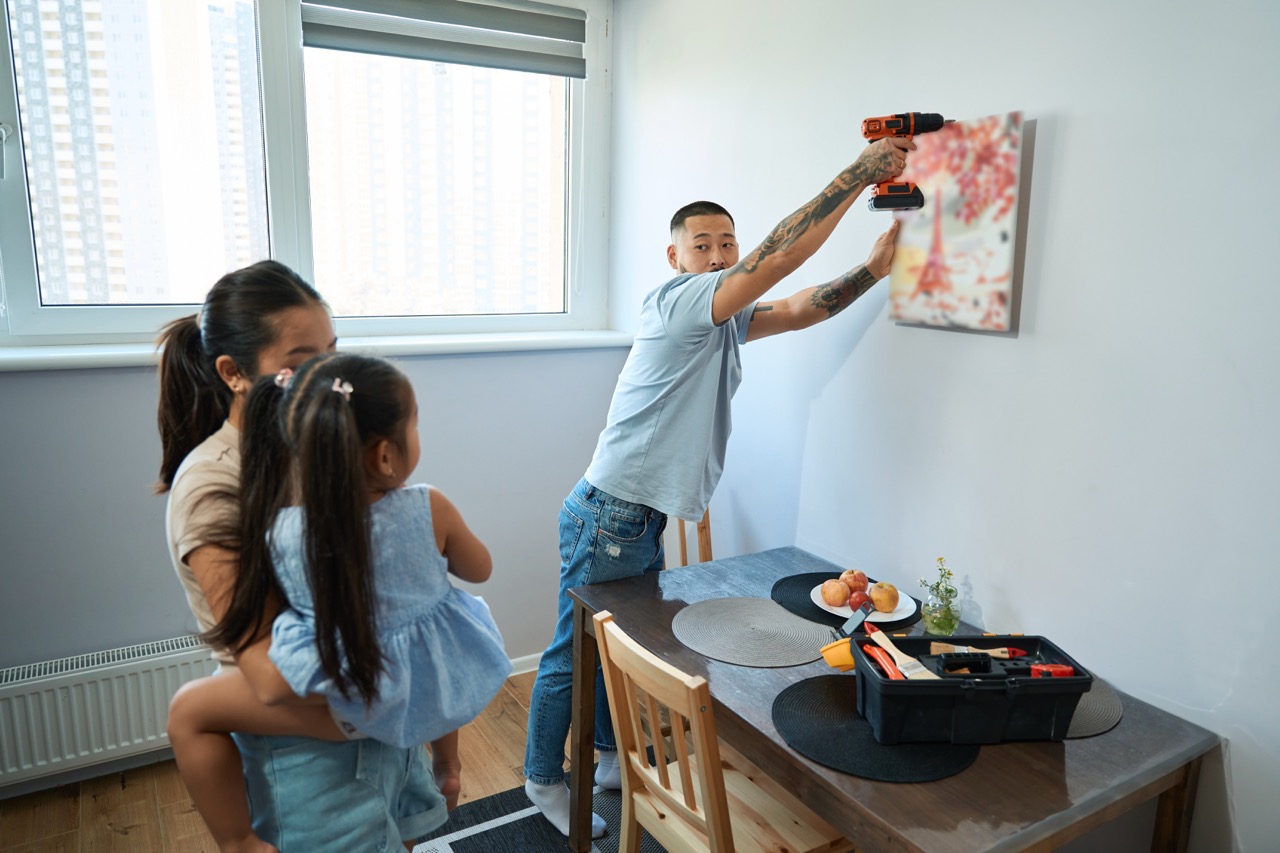
Preparing your home involves more than just physical space; it requires help from all family members. It’s about creating an atmosphere of readiness and welcome. Involving your children makes them feel part of the process and invested in making the transition easier. We have a whole blog dedicated to this process on our website here.
Setting Up Space
Think about where the foster child will sleep and keep their belongings. If possible, give them their own space, even if it’s small, with essentials like a bed (maybe twin beds if sharing), and dresser drawers. Let your kids help decorate with neutral decor or let the new child choose some items later to make the space feel like their own safe space.
If sharing a room is necessary, have clear conversations with all children involved about boundaries, personal space, and personal belongings. Talk about common areas too – how will the living room, bathroom, or play areas be shared? Setting expectations early prevents conflict later and helps everyone adjust.
Make sure basic supplies are ready before the child arrives. This includes essential hygiene products, some simple clothing items appropriate for the child’s age range, and perhaps a few age-appropriate toys, stuffed animals, or coloring books. Having these things on hand, along with a basic first aid kit, eases the initial arrival and shows you care.
Other helpful items include a night light, basic cleaning supplies for maintaining the space, and perhaps information gathered from the foster care agency about what the child likes. Having these basics ready helps the child feel welcoming energy from the start. Ensure the dresser drawers are empty and ready for their clothes.
Establishing Expectations and Rules
Talk about your family rules before the foster child arrives; consistency is beneficial. Discuss things like chores, screen time limits, bedtime routines, and expectations for behavior clearly. This helps your biological children understand what stays the same and provides structure.
Explain that the same rules will generally apply to the foster child, though there might be an adjustment period requiring patience. Consistency helps everyone feel secure and understand expectations. Talk about being patient and understanding as the new child learns the routines and how your family care works.
Involve your children in planning ways to make the newcomer feel welcoming. Maybe they can help make a welcome sign, plan a simple first meal together based on what the child likes, or pick out a small welcome gift. This fosters excitement and ownership, making it a more rewarding experience for them.
Supporting Your Children Through the Journey
Preparing children for fostering doesn’t end when the foster child arrives at your door. Ongoing support and open communication are vital throughout the foster care placement. The adjustment period can bring ups and downs for everyone involved, impacting family harmony and individual mental health.
Checking In Regularly
Make dedicated one-on-one time to spend time with each of your biological children individually. Ask them how they are feeling about the changes and how the presence of foster children is affecting them. Create a safe space where they can express anything – positive or negative – without judgment or fear of upsetting you.
Listen actively to their concerns, validating their feelings even if they seem small or unreasonable to you. Saying “I understand that feels frustrating” or “It’s okay to feel that way” goes a long way in making your child feel heard. A strong support network within the family is crucial.
Keep reassuring them of your love and commitment consistently. Point out the positive things they are doing to help the foster child adjust and be a good family member. Reinforce their importance in the family unit and praise their efforts.
Handling Challenges
Expect bumps in the road as everyone adjusts to the new family situation. Sibling rivalry might increase temporarily, or your child might act out for attention as routines shift. The new foster child will also be adjusting, potentially exhibiting challenging behaviors due to their past experiences before entering foster care, which can affect everyone’s well-being.
Talk openly about these difficulties as a family, perhaps during regular family meetings. Brainstorm solutions together when possible, encouraging cooperation and empathy among the kids. Maintain consistent rules and consequences for behavior for all children to provide stability and fairness.
Remember that adjustment takes time; it won’t happen overnight. Be patient with your children and the foster child as they learn to live together. Don’t hesitate to reach out to your foster care agency or assigned social worker for support and guidance; they offer valuable care services and have experience helping foster parents navigate these dynamics effectively.

Navigating Transitions and Goodbyes
Foster care is often temporary, meaning goodbyes are a likely part of the experience for many foster families. Preparing your children for this possibility from the beginning is important, even if the goal is reunification or finding an adoptive family. Talk about how plans within the foster care system can change, sometimes quickly.
When it’s time for a foster child to leave your home, give your children as much notice as possible from the social workers. Allow them to express their feelings, which might include sadness, anger, confusion, or even relief – all feelings are valid. Validate their emotional responses and provide comfort.
Plan a way to say goodbye that feels right for your family and honors the relationship built. This could be a small farewell gathering, making a scrapbook together with photos and memories, writing letters, or exchanging small keepsakes. Help your children focus on the positive impact they made on the child’s life and the good memories shared during their time together.
Acknowledge the sense of loss that both your biological children and you might feel; grieving is a natural part of letting go. Allow time for processing these emotions as a family. Reiterate that loving and letting go is part of the foster parenting journey for many, and it doesn’t diminish the value of the relationship they built or the kindness they showed.
The Unexpected Rewards for Your Children
While challenges exist, fostering often brings incredible growth and rewards for biological children. It’s a rewarding experience that can shape their character in profound ways. Seeing the world through a different lens builds empathy and understanding of different family situations like few other experiences can.
Your children learn firsthand about compassion, generosity, and the importance of helping others in need. They often develop a greater appreciation for their own family, stability, and circumstances. They witness resilience firsthand and learn about different life experiences, broadening their perspectives beyond their own immediate world.
Fostering can teach valuable life skills such as sharing resources and attention, developing patience, and navigating conflict resolution peacefully. They may learn to be more adaptable, flexible, and understanding of differences among people. These are qualities that serve them well throughout life, helping them become well-rounded individuals with good social skills, potentially even inspiring them like good teachers do.
Sometimes, deep bonds form between biological children and foster children, creating extended family connections that can last long after a child leaves your home. These relationships enrich everyone’s lives and expand the definition of family. Fostering truly expands a family’s heart, fosters open communication, and deepens the understanding of community support and the role everyone can play.
Frequently Asked Questions About Preparing Children for Fostering
What Does it Mean to Prepare Your Children for Foster Care?
Preparing your children for foster care means helping them understand why children enter care, how your family may change, and what their role will be. It includes age-appropriate conversations, reassurance, clear expectations and ongoing emotional support.
How do you prepare your children for foster care?
Preparing children for foster care starts with honest, age-appropriate conversations about why children need foster homes and what changes to expect. Children should be reassured that their role in the family does not change and that their feelings are important. Ongoing communication, involvement in simple preparations, and consistent routines help children adjust confidently when a foster child arrives.
What should I tell my child about why children enter foster care?
Children can be told that foster care helps kids stay safe while their parents work through adult challenges. Explanations should remain simple, respectful, and focused on safety rather than details about trauma. This helps children develop empathy while protecting both their emotional well-being and the privacy of the foster child.
Is fostering hard on biological children?
Fostering can bring adjustments, but many biological children develop stronger empathy, flexibility, and compassion through the experience. Challenges such as sharing attention or adjusting to new routines are common, which is why regular check-ins and one-on-one time with parents are important for maintaining emotional security.
How can parents handle jealousy when fostering?
Jealousy during foster care transitions is normal and should be addressed openly. Parents can help by validating their child’s feelings, maintaining familiar routines, and intentionally spending individual time together. Reassuring children that love and attention are not limited helps reduce insecurity during transitions.
Do foster children have to share rooms with other children?
Room sharing depends on state regulations, agency guidelines, and the needs of each child. When sharing a room is necessary, families should establish clear boundaries around personal space and belongings ahead of time. Preparing children for these expectations helps create a respectful and comfortable living environment.
What is the role of biological children in foster care?
Biological children are encouraged to act as supportive siblings, not caregivers. Their role is to welcome the foster child, model kindness, and continue their normal routines. Foster parents, along with social workers and the foster care agency, remain responsible for caregiving and discipline.
How do families help children cope when a foster child leaves?
Families help children cope with foster care transitions by talking openly about feelings and acknowledging that sadness is normal. Creating healthy goodbyes, such as sharing memories or writing letters, helps children understand that caring for someone—even for a short time—has lasting value.
What support does The Bair Foundation provide to foster families?
The Bair Foundation provides training, ongoing guidance, and continued support for foster parents and their children throughout placements. Families receive assistance from experienced staff and social workers who help navigate challenges, provide resources, and ensure families feel supported at every stage of fostering.
How do I know if my family is ready to foster?
Families are often ready to foster when they are willing to communicate openly, adapt to change, and provide a stable, supportive environment for children in need. The Bair Foundation works with families through training and preparation to help determine readiness and build confidence before placements begin.
Become a Foster Parent
Deciding to become a foster parent is a decision that involves the entire family. At The Bair Foundation, we recognize that successful fostering begins with thoughtful preparation and open communication within the home. Preparing your children for fostering is an important step in creating a positive and supportive experience for everyone involved. It requires open hearts, honest conversations, and a willingness to listen carefully to your children’s thoughts and emotions as your family welcomes a child in need.
Many families discover that opening their home strengthens their relationships and broadens their understanding of compassion and service. At The Bair Foundation, foster families are never alone in this journey. Our team provides training, guidance, and ongoing support to help families navigate each stage of fostering with confidence.
For many families, fostering is more than a decision – it’s a calling rooted in faith and compassion. Scripture reminds us to care for the most vulnerable, and foster care becomes one of the ways that families can live out that calling daily in everyday life.
Fostering is about growing together. Offering hope, stability, and love to children who need it most. With the right preparation, support network, and partnership, your family can make a lasting difference, one child at a time.
Start your journey in becoming a foster parent with The Bair Foundation today.
Every year, more than half a million children are the victims of abuse and neglect.
When these children enter foster care, we provide foster families with the support they need to turn tragedy into hope.
Become a Foster parent